
Finding studios
How to Find the Right Creative Studio for Your Brand or Business
Finding the right creative studio goes beyond choosing a portfolio you like. Discover what to look for, how to compare studios and how to find the right creative partner for your next project.
· 14 min read
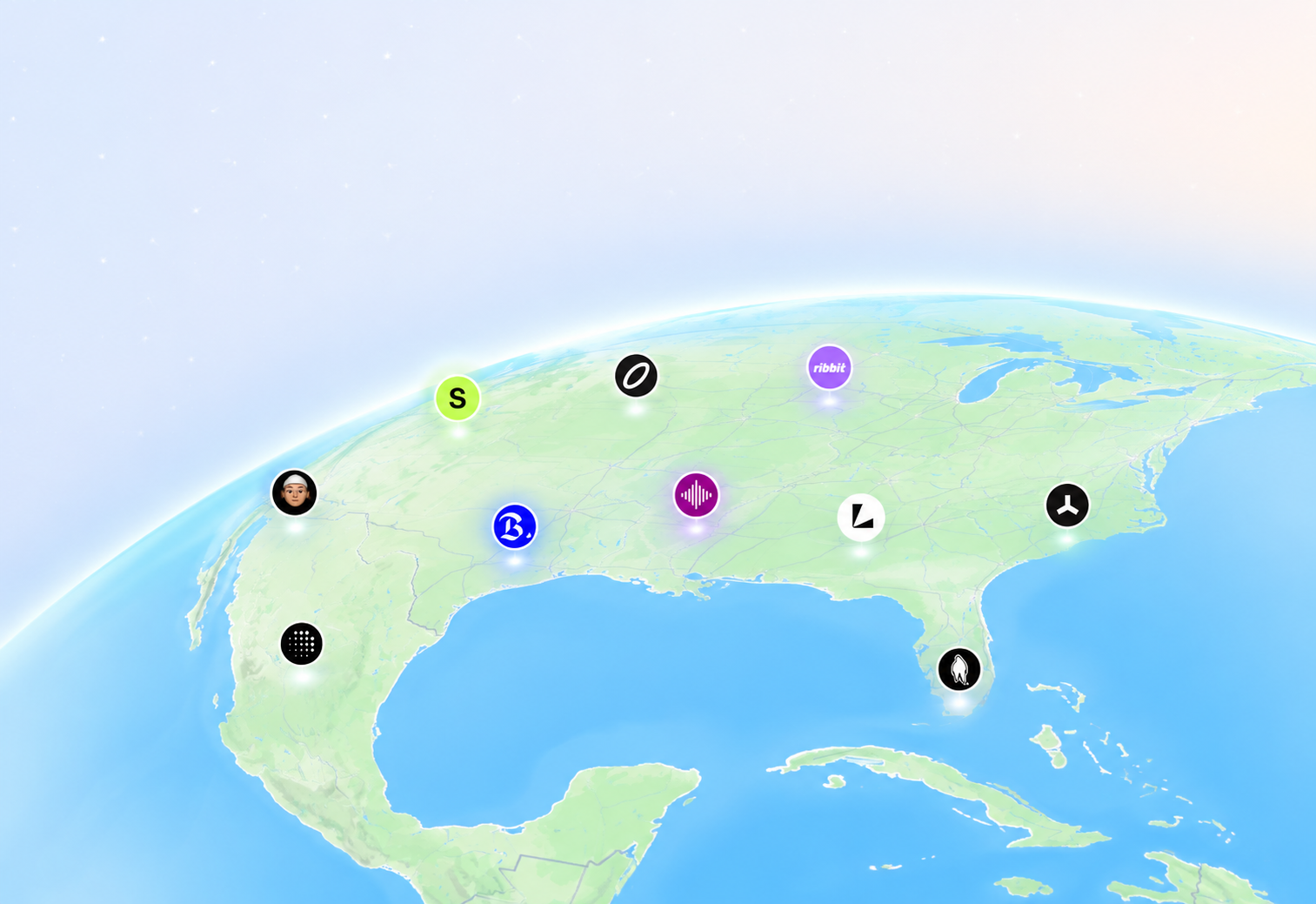
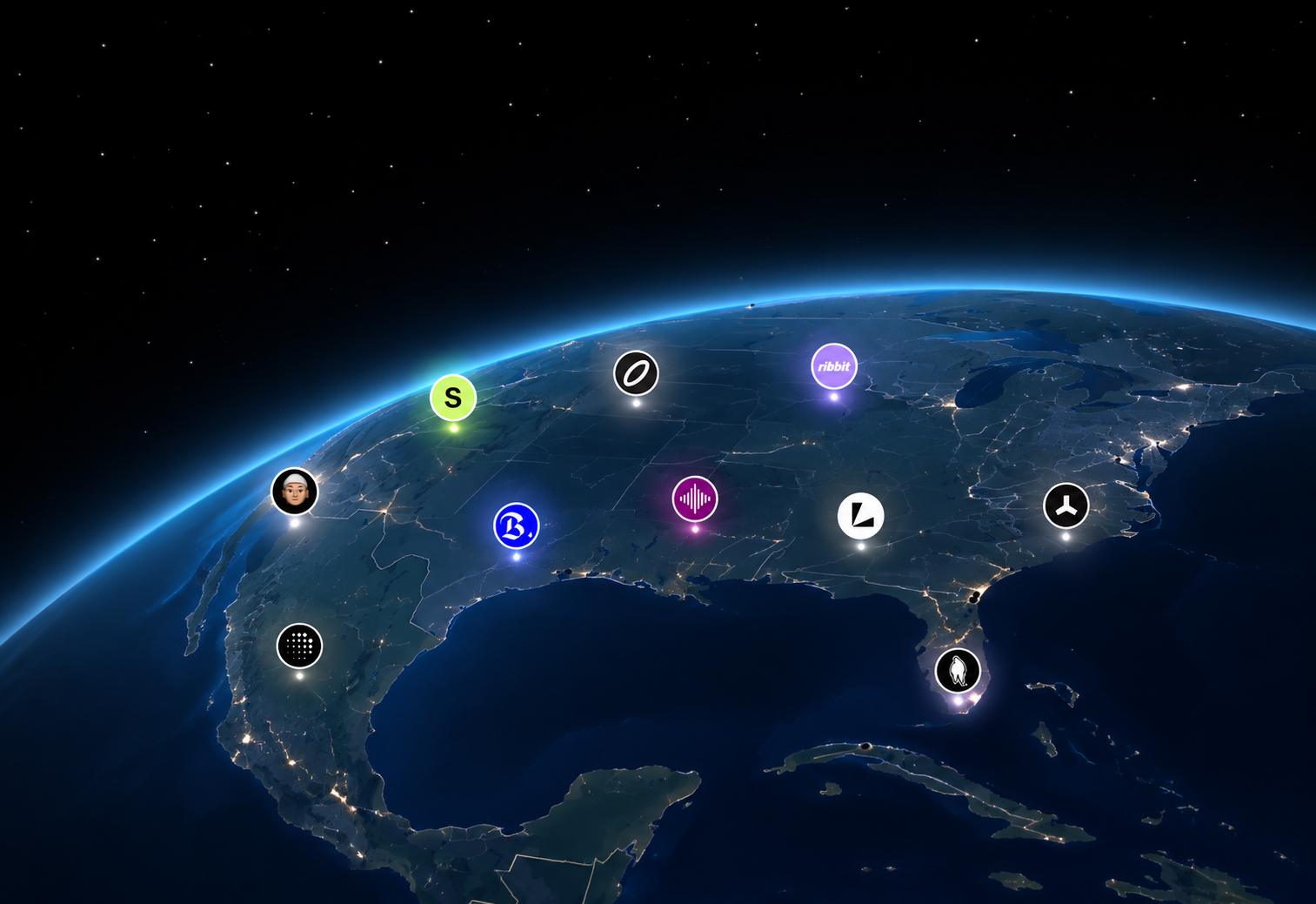
Finding a creative studio is easy. Finding the right one is a different story.
Today, there are thousands of independent studios, design agencies and creative collectives around the world. Some specialise in branding and visual identity. Others build digital products, develop interactive websites, produce films or create experiences that combine design, technology and storytelling.
The challenge is no longer finding someone who can do the work. It is finding a creative partner who understands what you are trying to achieve and knows how to bring it to life.
Whether you are launching a new brand, redesigning a website, developing a digital product or building a completely new visual identity, choosing the right studio can have a significant impact on the outcome.
So, where should you start?
1. Understand what your project actually needs
Before searching for a creative studio, take a step back and define the problem you are trying to solve.
A common mistake is looking for a studio based on a visual reference alone. You see a website you love, find out who designed it and immediately assume that the same studio is right for your project.
But good creative work starts with understanding the brief, not simply reproducing a visual style.
Different projects require different expertise.
Branding and visual identity
If you are launching a company, repositioning an existing business or creating a new product, you may need a branding studio. These studios work on brand strategy, naming, visual identity, typography, art direction and complete brand systems.
Digital products and websites
For a website, mobile application or digital platform, look for studios with experience in product design, UX/UI, web development and digital experiences. Some focus on performance and usability, while others specialise in more experimental and interactive websites.
Motion, film and visual production
When your project relies on storytelling, moving images or strong visual direction, a motion design or production studio may be the right fit. Their work can include animation, CGI, 3D, photography, advertising films and branded content.
Strategy and communication
Sometimes the main challenge is not how something looks, but how it communicates. Strategy and communication studios help businesses define their positioning, develop campaigns, create content and connect with their audiences.
The more clearly you understand your needs, the easier it becomes to identify studios with the right capabilities.
2. Look beyond location
For years, businesses often searched for creative agencies in their own city or country. While local collaboration can still be valuable, creative work is no longer restricted by geography.
A company based in London can work with an independent design studio in Tokyo. A startup in New York can collaborate with a digital agency in Amsterdam. A brand in Paris can partner with a creative collective in São Paulo.
Remote collaboration has made the global creative landscape more accessible.
This opens up a much wider range of possibilities. You are no longer limited to the studios that happen to be nearby. You can select a partner based on their experience, creative direction, expertise and ability to understand your project.
Of course, location can still matter. Time zones, language, cultural context and the possibility of meeting in person may influence your decision.
But geography should be a consideration, not necessarily the starting point.
3. Evaluate the work, not just the website
A beautiful portfolio can make a strong first impression. But a good-looking website does not automatically mean a studio is the right choice.
Take the time to explore the actual projects.
Look for consistency. Does the studio produce thoughtful work across different types of projects, or does every project feel like the same visual template?
Look at the details. Typography, composition, interaction, colour, motion and image direction can reveal a lot about the studio's creative approach.
Most importantly, try to understand the thinking behind the work.
A strong portfolio should help you understand:
- What problem the studio was asked to solve.
- What role the studio played in the project.
- Which disciplines were involved.
- How the final result responds to the original brief.
- Whether the studio has experience in a comparable industry or challenge.
Do not focus only on the biggest names in a portfolio. An independent studio with a small but carefully considered body of work may be a better creative partner than a much larger agency.
The objective is not to find the most famous studio. It is to find the one whose work and approach make sense for your ambitions.
4. Understand the difference between a studio, an agency and a collective
These terms are often used interchangeably, but they can describe very different ways of working.
An independent creative studio is often a relatively small team built around a shared creative vision. It may specialise in a particular discipline or bring several complementary skills together.
A creative agency generally has a more structured, client-focused organisation. It may offer a wider range of services, from strategy and branding to digital design, marketing and production.
A creative collective brings together independent professionals who collaborate on selected projects. Its structure can be flexible, with different specialists joining depending on the brief.
A freelance creative usually operates independently, offering direct access to their own expertise and creative perspective.
None of these structures is inherently better than another.
A smaller team may provide direct communication and a highly personal approach. A larger agency may offer more resources and dedicated specialists. A collective may provide access to an unusual combination of skills.
What matters is understanding who will actually work on your project and how the collaboration will be organised.
5. Check whether their expertise matches your ambitions
A studio's specialisation is often more important than the number of services listed on its website.
For example, a branding studio may be excellent at developing a visual identity but have limited experience building complex digital products.
A web development studio may create technically impressive websites but not necessarily offer the strategic thinking required to reposition an established brand.
Neither is a weakness. It simply means their expertise serves different needs.
When evaluating a studio, look for evidence of relevant experience rather than relying entirely on service descriptions.
If you want an experimental website, explore studios with a portfolio of interactive and technically ambitious digital experiences.
If you want to launch a premium lifestyle brand, look for studios that understand positioning, visual language, art direction and the expectations of that market.
If you are developing an application, prioritise studios with experience in product thinking, user experience, interface design and development.
The right expertise should be visible in the work itself.
6. Ask the right questions before choosing
Once you have shortlisted a few studios, the first conversation can tell you a lot.
Instead of immediately asking for a price, try to understand how they approach projects.
Here are some useful questions:
Who will be working on the project?
You should know whether you are speaking directly with the people who will design, manage and deliver the work.
How do you approach a new project?
A studio's process can reveal how it thinks, how it handles uncertainty and how it translates a brief into a final result.
Have you worked on similar challenges before?
Relevant experience can be valuable, even when the industry or visual direction is different.
What do you need from us to get started?
A good collaboration requires input from both sides. The studio should be able to explain what information, decisions and resources it needs.
How do you handle feedback and revisions?
Understanding communication, project milestones and approval processes helps avoid misunderstandings later.
The goal is not to find a studio that agrees with everything you say. It is to find one that can challenge assumptions, bring ideas to the table and contribute to the success of the project.
7. Think about budget, value and scope
Creative services do not have a universal price.
The cost of a project depends on its complexity, timeline, disciplines involved, team structure and level of expertise.
A visual identity for an early-stage startup is very different from a complete global rebranding. A simple marketing website is not comparable to a complex digital platform with custom functionality.
When comparing proposals, make sure you are comparing the same scope.
Look at what is included, how many deliverables are expected, whether development is part of the proposal, what happens after launch and how additional work is priced.
A lower price does not necessarily mean better value. Equally, a higher price does not automatically guarantee a better result.
The best investment is one that matches the project's actual needs and gives the team enough room to deliver meaningful work.
8. Where to discover independent creative studios around the world
Finding interesting studios can be surprisingly difficult.
Search engines
Google and other search engines remain a starting point, especially when you combine discipline, location and intent: "branding studio Copenhagen," "digital product design collective Berlin." Results often favour large agencies and listicles, so refine your queries and look past the first page.
Social and portfolio platforms
Instagram, Behance, Dribbble and similar platforms are useful for discovering visual taste and current work. They are weaker when you need geography, scope, contact paths and a stable reference page for your shortlist.
Awards, festivals and showcases
Award roundups and festival selections surface studios that pushed a brief further. They are inspiration, not a complete map. Pair them with directories where you can filter by city and practice.
Curated maps and creative studio directories
Purpose-built directories and maps reduce guesswork. On A Place Apart, visitors explore independent creative studios by city, discipline and creative perspective, with profiles built for comparison rather than endless scrolling. Saved shortlists and verified studios help brands move from discovery to outreach with clearer context.
Referrals and professional networks
Peer recommendations, former collaborators and industry networks still produce some of the strongest partnerships. Ask which studios delivered on process and communication, not only on visuals.
Use several channels together. Search gives intent, portfolios give taste, directories give structure, and conversations give confidence.
Making the final choice
The right creative studio is not necessarily the loudest or the most fashionable. It is the team whose work, expertise and way of thinking align with what you are building.
Define your needs, compare work with intention, ask direct questions and choose a partner you trust to shape the project with you. That combination turns a crowded market into a shortlist worth serious consideration.
Join A Place Apart. Submit your studio for free, or claim your page if you are already on the map.
Questions? Contact support